The Encumbrance Certificate is a crucial document to verify the ownership, whether it is real or fake. With this single document, you can find the current status of the property, such as being encumbered by a bank. Before, you had to visit the government office to verify the ownership, but now, with the TNREGINET Portal, you can manage your essential documents from your mobile screen.
On the TNREGINET portal, you can access multiple services, including quick EC access, property registration details, firm registration, and marriage registration. This simple portal saves time and makes property-related tasks easy, like transactions, loan applications, guideline value, and ownership verification.
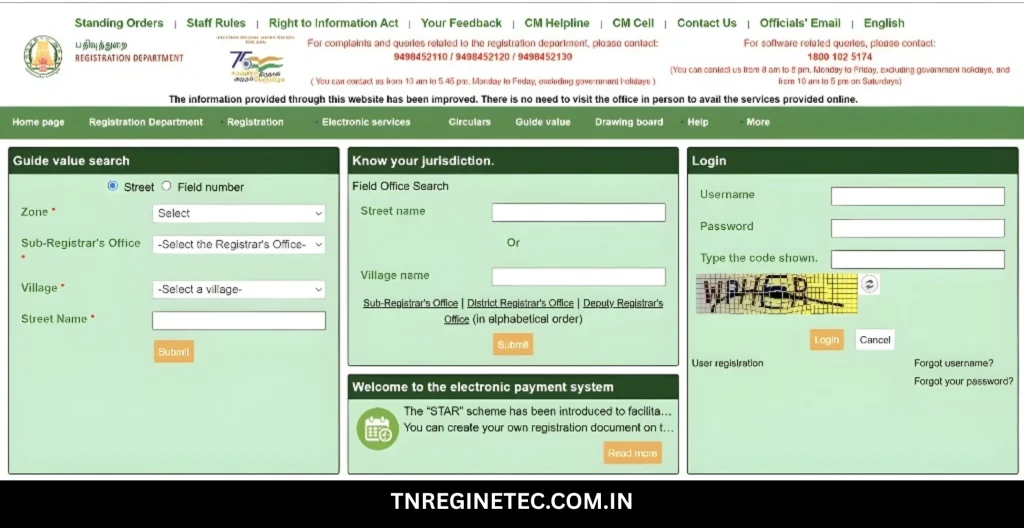
TNREGINET Short Overview
| Portal Name | Tnreginet Portal |
| Services | EC View Online, Patta Chitta, Encumbrance Certificate Download, Avail to Marriage Certificate, Stamp Duty Payment. |
| Created by | Govt. of Tamil Nadu. |
| Serving State | Tamil Nadu |
| Eligibility | Citizen of Tamil Nadu State. |
| Official Website | https://tnreginet.gov.in |
If you want to view EC or check the Guideline Value of your property, here is a complete guide for you.
What is an Encumbrance Certificate (EC) in Tamil Nadu?
The Encumbrance Certificate is an official document linked to property-related matters and provides a complete record of properties under your ownership and all registered transactions. The record covers all important factors that influence the ownership status, including gift deeds, leases, sale deeds, and mortgages. The purpose of EC is to show clear ownership and reduce the chances of disputes during property dealings.
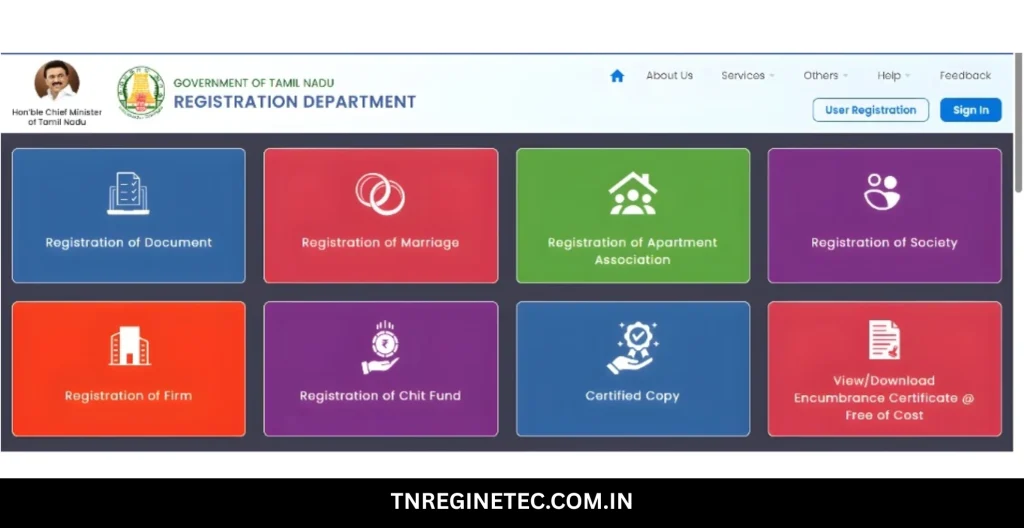
Whether you want to sell a property, buy it, or apply for a mortgage, having an online Encumbrance Certificate is important in all property transactions or financial dealings. You can get your EC online through the TNREGINET Portal or get it offline by visiting the Sub-Registrar’s office in person.
Structure of EC Encumbrance Certificate
The Encumbrance Certificate covers a 13-to-30-year record of all your registered transactions of property, including mortgages, sales, and leases. It is an important document called Bhar-Mukt Praman to ensure secure property-related matters, like home loans.
The TamilNadu Encumbrance Certificate has the following details:
Property Details
This section covers description, location, survey number, boundaries, and extent of registered property.
Owner Details
This section has current ownership information and complete ownership history of a property, including the information of the Father/Husband’s name.
Registered Transaction History
As the EC covers the record of 13-to-30-year transactions; therefore, it shows the complete history of mortgages, sales, leases, gifts, and partition deeds.
Nature of Encumbrances
There are many types of Encumbrances, and the EC consists of all types of Encumbrances, including pending legal disputes, court attachments, and mortgage liens.
Registration Document Numbers
Each recorded transaction has a unique number for a clear record. On EC, you get a complete transaction record with its unique transaction number.
Issuer Details
To ensure the document is official, it has an official stamp and the signature of the Sub-Registrar’s Office on it.
Why is the TNREGINET Online EC View TamilNadu Important?
Viewing an Encumbrance Certificate is the most important task to get legal clarity and transparency related to property matters. Here is how viewing EC helps you in Tamil Nadu in smooth property dealings.
Benefits of TNREGINET EC View Online
Step-by-Step Process of EC View Online TamilNadu
ECview is a trusted source to check the latest property’s legal status. Without this, you cannot apply for a loan, sell your property, or buy a property.
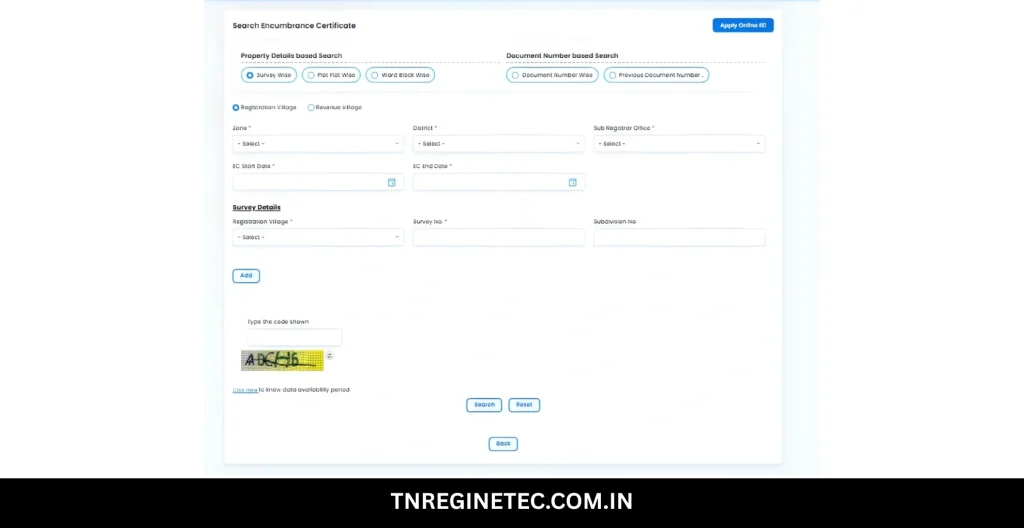
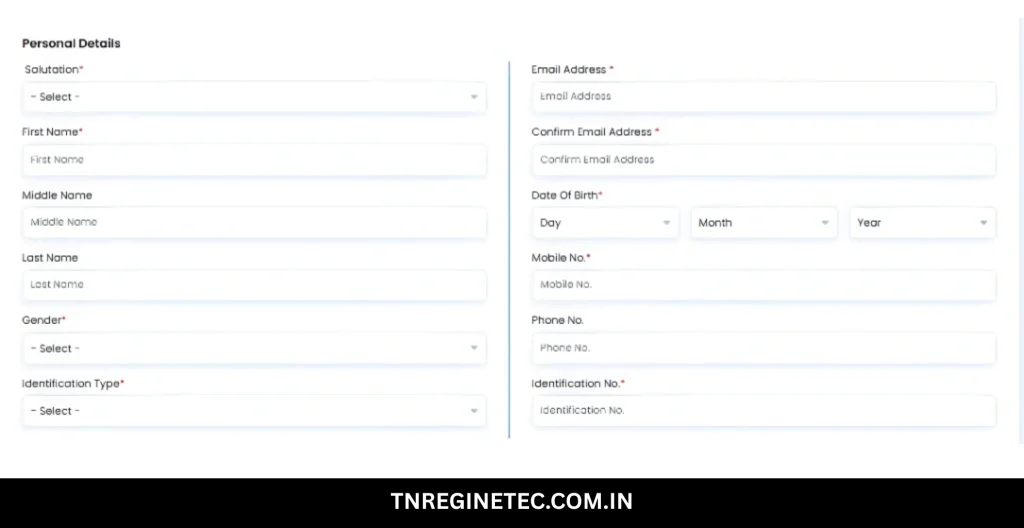
Here is how you can view EC online:
Required Documents
- Attested address proof
- Property details
- Title documents
Process of EC View Online TamilNadu in Tamil/English
For in-person EC view, you can visit the Sub-registrar’s office handled by the TN registration department with all relevant documents.
EC View Online Fees in Tamil Nadu (2026)
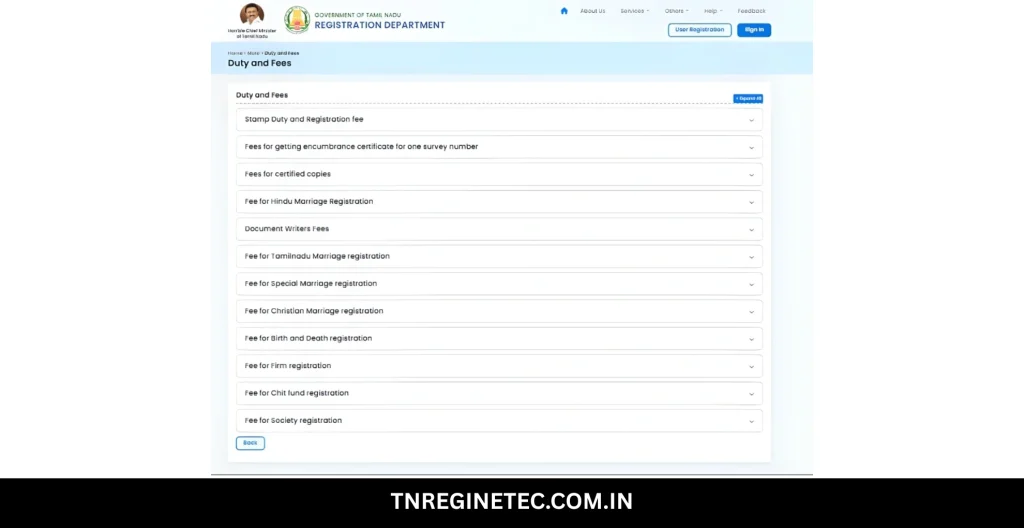
There is a minimal fee for viewing and downloading the EC through the TNREGINET Portal. The fee mainly depends on the requested EC duration and the total number of pages. The EC application fee is 1 rupee, and the search fee for one year is 30 rupees. However, you have to pay 30 rupees in the first year only. The fee for additional years is 10 rupees.
How Can You Pay EC View Online Fees?
For payment, visit the online portal of TNREGINET (https://tnreginet.gov.in/portal/ ec) and fill in the needed details. After this, you can move to the TNREGINET payment portal for secure and flexible payment options. You can pay via net banking, credit/debit cards, or UPI.
How Can I Check My Land Guideline Value In Tamil Nadu?
If you want to buy/ sell a property, checking the TNREGINET Guideline Value in Tamil Nadu provides the government-fixed price, often lower than the latest market rate that buyers pay. Simply put, this is a government-defined property rate, which is the minimum selling price. The purpose of this value is to calculate the stamp duty (7%) and registration fees (4%) of a specific property.
Here is how you can check the land guideline value Tamilnadu at your home through the TNREGINET portal.
Conclusion
The TNREGINET portal plays a major role in easy EC viewing and checking the land guideline value. By following simple steps, you can verify the current status of the property and ownership to avoid property-related disputes. Follow the above-shared process to check the legal and financial status of a property in no time.